
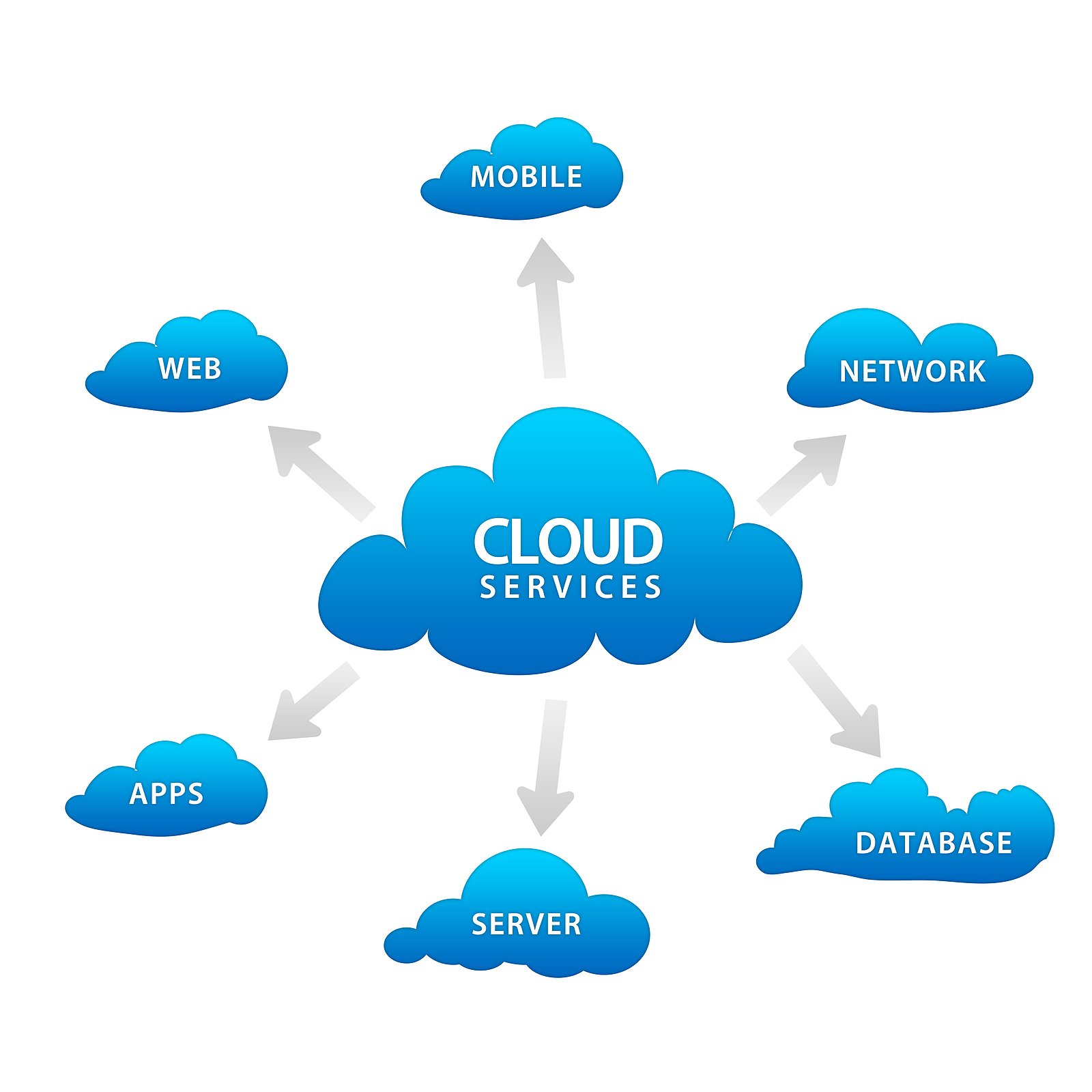
Beyond Migration — Architecting for Agility.
Cloud adoption is no longer about just moving data; it’s about reimagining how your business operates. Rivo Technologies delivers end-to-end Cloud Services that transform rigid legacy environments into fluid, high-performance digital assets. We specialize in reducing technical debt and ensuring your cloud investment translates into measurable ROI.
Why You Need This
The Rivo Methodology
Readiness Audit
Precision Migration
Operational Handover
Cloud Strategy & Consulting

Cloud Assessment and Planning
Cloud Architecture Design
Cloud Innovation and Transformation
Cloud Native design and Implementation
Containerization and Orchestration
Microservices Architecture
DevOps and CI/CD
Cloud Operation and Management
Cloud Monitoring and Management
Cloud Optimization
Cloud Cost Management
Cloud Migration & Modernization
Cloud Assessment and Planning
Cloud Migration Services
Cloud Modernization Services
Cloud Optimization and Governance
Cloud Security & Governance
User Access Management
Zero-Trust Network Access
Secure Web Gateway
Cloud Security Services
Cloud Workload Protection (CWPP)
Cloud Compliance Monitoring
Cloud Operations & FinOps
The cloud is “pay-as-you-go,” which means if you leave the lights on, you pay for them.
FinOps & Cost Optimization
Disaster Recovery (DR)
Frequently Asked Questions
How long does a cloud migration take?
Most mid-sized migrations run 8 to 16 weeks. Rivo starts with a readiness audit that maps application dependencies and technical debt, then migrates in phases so no single cutover carries the whole risk. Timeline depends on workload count and how much legacy coupling has to be unpicked first.
What is cloud sprawl and how do you prevent it?
Cloud sprawl is uncontrolled growth of cloud resources: spiralling cost, security gaps and no clear ownership. Rivo prevents it with architectural guardrails such as tagging standards, budget alerts, least-privilege access and FinOps review cycles built in from the first workload rather than bolted on later.
Do you work with AWS, Azure and Google Cloud?
Yes. Rivo is ecosystem-agnostic across all three, plus hybrid and multi-cloud designs. The platform is chosen for the workload rather than for vendor convenience. Assessment covers cost, compliance posture, existing team skills and how portable the architecture needs to stay.
Will our team be able to manage the environment afterwards?
Yes, and that is the point of the operational handover phase. Every engagement ends with architecture blueprints, runbooks and a documented environment, plus knowledge transfer sessions with your internal team. Our model is to make ourselves unnecessary, not to create a dependency.
How do you reduce cloud costs?
Through FinOps practice: right-sizing over-provisioned instances, eliminating orphaned resources, applying reserved and spot capacity where workloads allow, and setting governance policies so waste does not reaccumulate. Savings are measured against a documented baseline taken before any change is made.